← ALL FRESH TAKES
SOURCE-LED EDITORIAL REVIEW
SOURCE-LED EDITORIAL REVIEW
THE DOCUMENTED CONSENSUS
THEMATIC CENTER
choiceNARRATIVE PRESSURE
creationFORM
thrillerRECORD ANCHORS
siege · written · glennThe record for 6 Days yields three coordinates specific to its premise—siege, written, and glenn. That vocabulary places choice at the center and gives creation its dominant tension. It establishes a documentary baseline, not a borrowed score; criticism must still ask what the form does with that material.
6 Days brings choice into contact with creation through thriller. That intersection is our Fresh Take: judge the premise less by its familiarity than by how precisely that combination makes its conflict legible. The existing editorial note adds this view: A film worth discovering for its voice, its moment and the point of view of the people who made it.
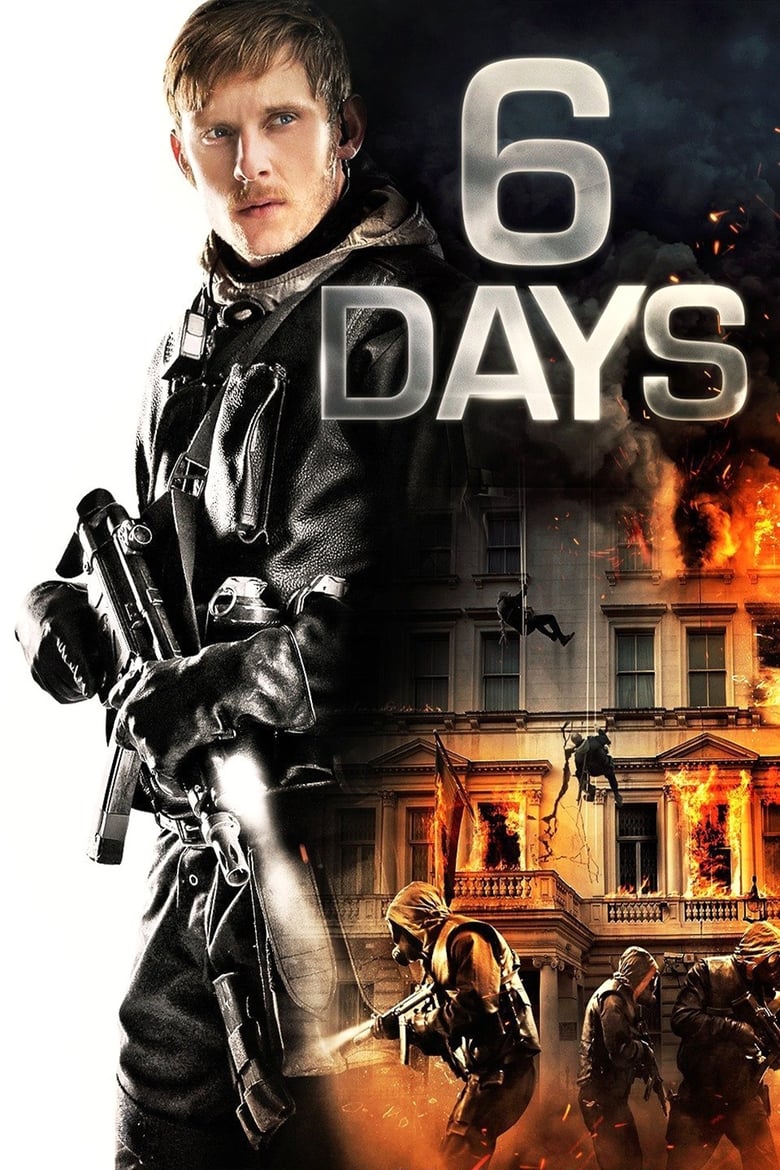
6 Days (2017) arrives with the coordinates of a political thriller film film situated in 2010s cinema. The record credits Toa Fraser with the direction and places Jamie Bell and Abbie Cornish in the foreground. With a contained running time, the useful question is not to invent an invisible intention, but to notice how these documented choices shape audience expectations before the first frame.
Read as thriller, the film carries the pressure of creation. The story presents a connected set of decisions whose coherence matters more than their compliance with a familiar formula. The most precise critical test is therefore the human cost of the creative act beyond its result. Big-screen pleasure matters on its own terms. The counter-test is whether that pleasure illuminates the story: a memorable image becomes decisive when it changes how we understand a character, a place, or a choice.
The source record describes a divided critical reception. A divided reception is not a failure of measurement; it is already information about the work. It suggests that the same choices can produce opposite effects depending on what each viewer expects from genre, pace, or form.
The counterpoint suspends the score long enough to identify the precise choice that continues to resist the verdict. Instead of asking whether the film confirms the expected story of choice, the sharper question is whether it changes the person, place, or institution with the power to define it. The reverse angle asks whether the image would remain memorable without its volume—and what it would then have taught us.
THE VERDICT, REFRAMED
The twist: look beyond volume to recover the human decision. Here, choice changes meaning under the pressure of creation.
THE DOCUMENTARY STARTING POINT