← ALL FRESH TAKES
SOURCE-LED EDITORIAL REVIEW
SOURCE-LED EDITORIAL REVIEW
THEMATIC CENTER
choiceNARRATIVE PRESSURE
the journeyFORM
horrorRECORD ANCHORS
felix · copper · questThe record for Experiment 7 yields three coordinates specific to its premise—felix, copper, and quest. That vocabulary places choice at the center and gives the journey its dominant tension. It establishes a documentary baseline, not a borrowed score; criticism must still ask what the form does with that material.
Experiment 7 brings choice into contact with the journey through horror. That intersection is our Fresh Take: judge the premise less by its familiarity than by how precisely that combination makes its conflict legible. The existing editorial note adds this view: Bold, full-scale entertainment made for the big screen, with an energy that never leaves emotion behind.
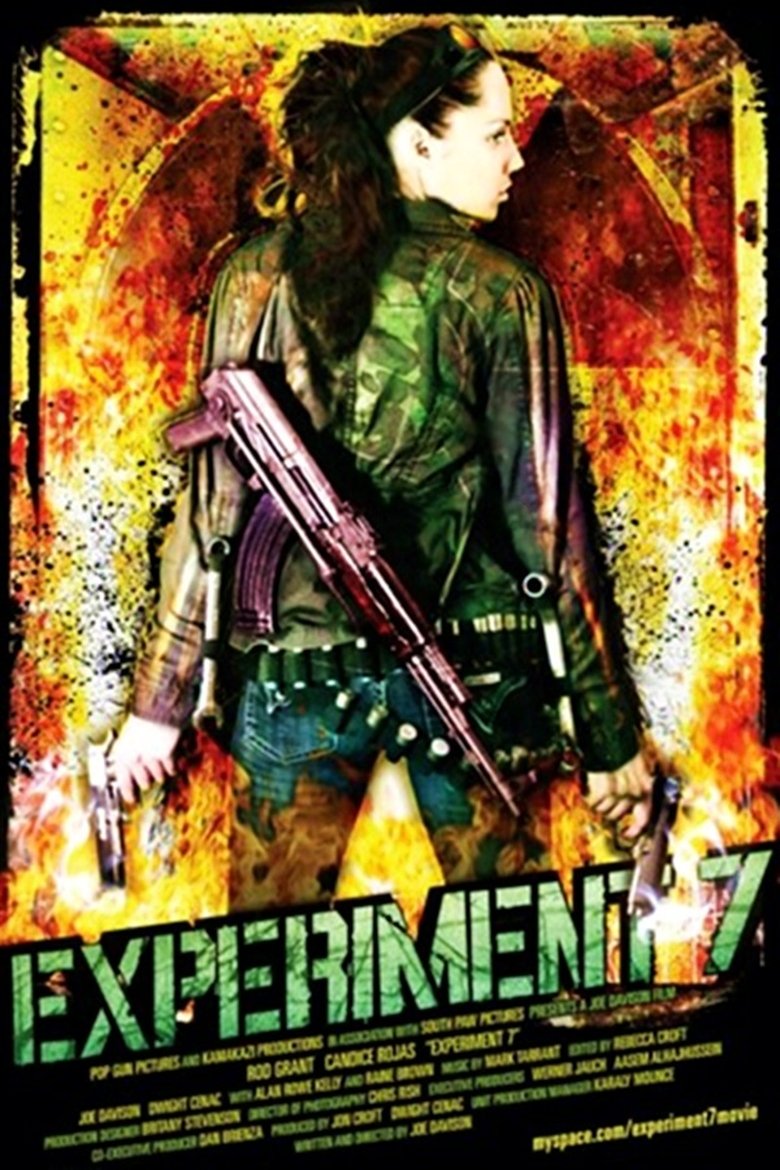
Experiment 7 (2009) arrives with the coordinates of a science-fiction film situated in 2000s cinema. The record credits Joe Davison with the direction and places Jack Amos and Raine Brown in the foreground. With an undocumented running time, the useful question is not to invent an invisible intention, but to notice how these documented choices shape audience expectations before the first frame.
Read as horror, the film carries the pressure of the journey. The story presents a connected set of decisions whose coherence matters more than their compliance with a familiar formula. The most precise critical test is therefore what movement undoes rather than merely which destination is reached. With a story built on scale, it is easy to confuse density with depth. A fairer reading follows the human thread through the movement and asks whether spectacular energy actually transforms the stakes.
The counterpoint suspends the score long enough to identify the precise choice that continues to resist the verdict. Instead of asking whether the film confirms the expected story of choice, the sharper question is whether it changes the person, place, or institution with the power to define it. The true measure may not be the size of the world shown, but the clarity of the decision it demands.
THE VERDICT, REFRAMED
Our angle: a large image matters most when it changes the reading of the story. Here, choice changes meaning under the pressure of the journey.
THE DOCUMENTARY STARTING POINT