← ALL FRESH TAKES
SOURCE-LED EDITORIAL REVIEW
SOURCE-LED EDITORIAL REVIEW
THEMATIC CENTER
memoryNARRATIVE PRESSURE
decisionFORM
cinematic narrativeRECORD ANCHORS
violinist · atheist · homosexualThe record for Merlo yields three coordinates specific to its premise—violinist, atheist, and homosexual. That vocabulary places memory at the center and gives decision its dominant tension. It establishes a documentary baseline, not a borrowed score; criticism must still ask what the form does with that material.
Merlo brings memory into contact with decision through cinematic narrative. That intersection is our Fresh Take: judge the premise less by its familiarity than by how precisely that combination makes its conflict legible. The existing editorial note adds this view: A strong, singular piece of cinema driven by genuine directorial conviction.
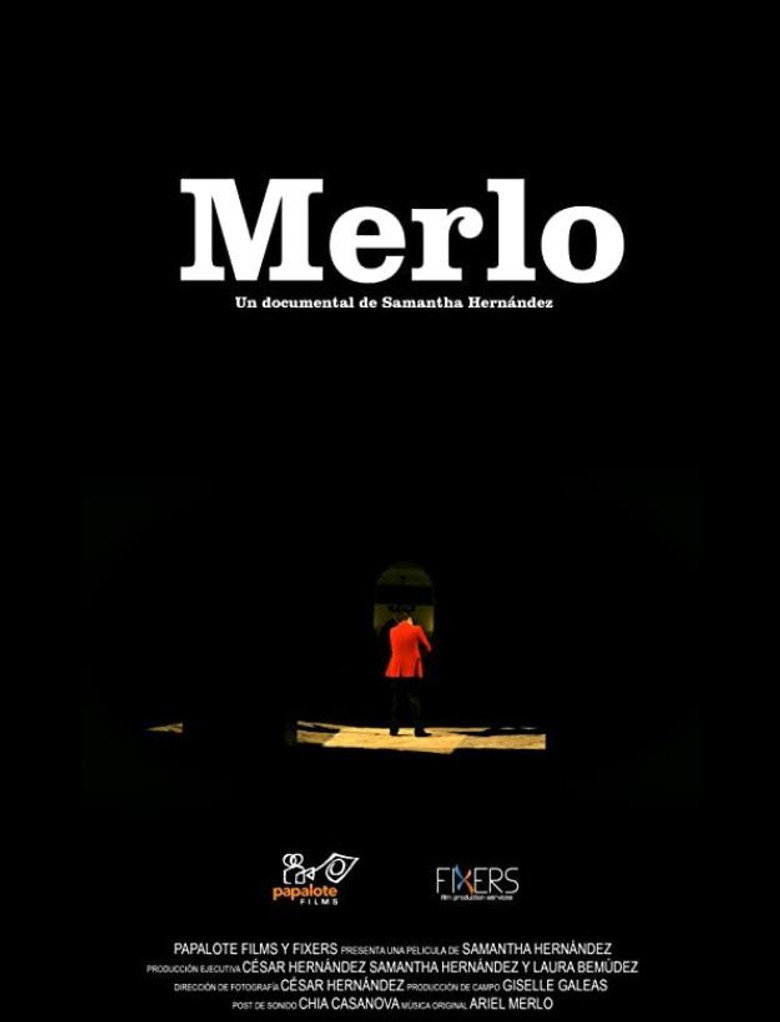
Merlo (2016) arrives with the coordinates of a cinema film situated in 2010s cinema. The record credits Samanta Hernandez with the direction and places its documented performers in the foreground. With an unusually compact form, the useful question is not to invent an invisible intention, but to notice how these documented choices shape audience expectations before the first frame.
Read as cinematic narrative, the film carries the pressure of decision. Memory behaves like an edit: it selects, connects, and sometimes distorts what once appeared settled. The most precise critical test is therefore how one choice alters every option that follows. The starting point is neither automatic approval nor suspicion. It is curiosity about construction: how do familiar elements combine to produce a particular voice, experience, or resistance?
The twist is to treat forgetting not as an absence, but as an active force organizing the present. Instead of asking whether the film confirms the expected story of memory, the sharper question is whether it changes the person, place, or institution with the power to define it. The counterpoint replaces immediate reaction with a map: decisions, consequences, resistance.
THE VERDICT, REFRAMED
The twist: replace the rating reflex with close attention to decisions. Here, memory changes meaning under the pressure of decision.
THE DOCUMENTARY STARTING POINT