← ALL FRESH TAKES
SOURCE-LED EDITORIAL REVIEW
SOURCE-LED EDITORIAL REVIEW
THEMATIC CENTER
memoryNARRATIVE PRESSURE
decisionFORM
horrorRECORD ANCHORS
college · students · experienceThe record for Perfect Life yields three coordinates specific to its premise—college, students, and experience. That vocabulary places memory at the center and gives decision its dominant tension. It establishes a documentary baseline, not a borrowed score; criticism must still ask what the form does with that material.
Perfect Life brings memory into contact with decision through horror. That intersection is our Fresh Take: judge the premise less by its familiarity than by how precisely that combination makes its conflict legible. The existing editorial note adds this view: Bold, full-scale entertainment made for the big screen, with an energy that never leaves emotion behind.
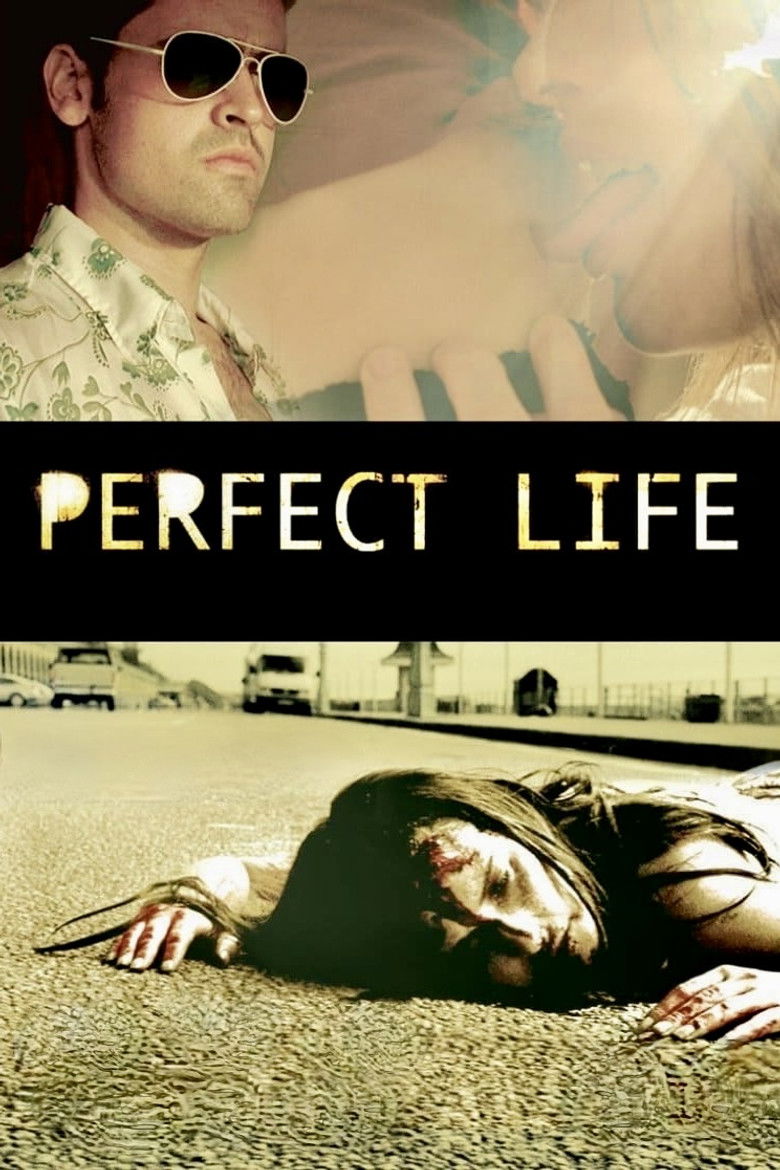
Perfect Life (2010) arrives with the coordinates of a horreur film situated in 2010s cinema. The record credits Josef Rusnak with the direction and places Jesse Bradford and Sienna Guillory in the foreground. With a contained running time, the useful question is not to invent an invisible intention, but to notice how these documented choices shape audience expectations before the first frame.
Read as horror, the film carries the pressure of decision. Memory behaves like an edit: it selects, connects, and sometimes distorts what once appeared settled. The most precise critical test is therefore how one choice alters every option that follows. Big-screen pleasure matters on its own terms. The counter-test is whether that pleasure illuminates the story: a memorable image becomes decisive when it changes how we understand a character, a place, or a choice.
The twist is to treat forgetting not as an absence, but as an active force organizing the present. Instead of asking whether the film confirms the expected story of memory, the sharper question is whether it changes the person, place, or institution with the power to define it. The reverse angle asks whether the image would remain memorable without its volume—and what it would then have taught us.
THE VERDICT, REFRAMED
The twist: look beyond volume to recover the human decision. Here, memory changes meaning under the pressure of decision.
THE DOCUMENTARY STARTING POINT