← ALL FRESH TAKES
SOURCE-LED EDITORIAL REVIEW
SOURCE-LED EDITORIAL REVIEW
THEMATIC CENTER
coming of ageNARRATIVE PRESSURE
creationFORM
cinematic narrativeRECORD ANCHORS
british · written · starsThe record for The Falling yields three coordinates specific to its premise—british, written, and stars. That vocabulary places coming of age at the center and gives creation its dominant tension. It establishes a documentary baseline, not a borrowed score; criticism must still ask what the form does with that material.
The Falling brings coming of age into contact with creation through cinematic narrative. That intersection is our Fresh Take: judge the premise less by its familiarity than by how precisely that combination makes its conflict legible. The existing editorial note adds this view: A film worth discovering for its voice, its moment and the point of view of the people who made it.
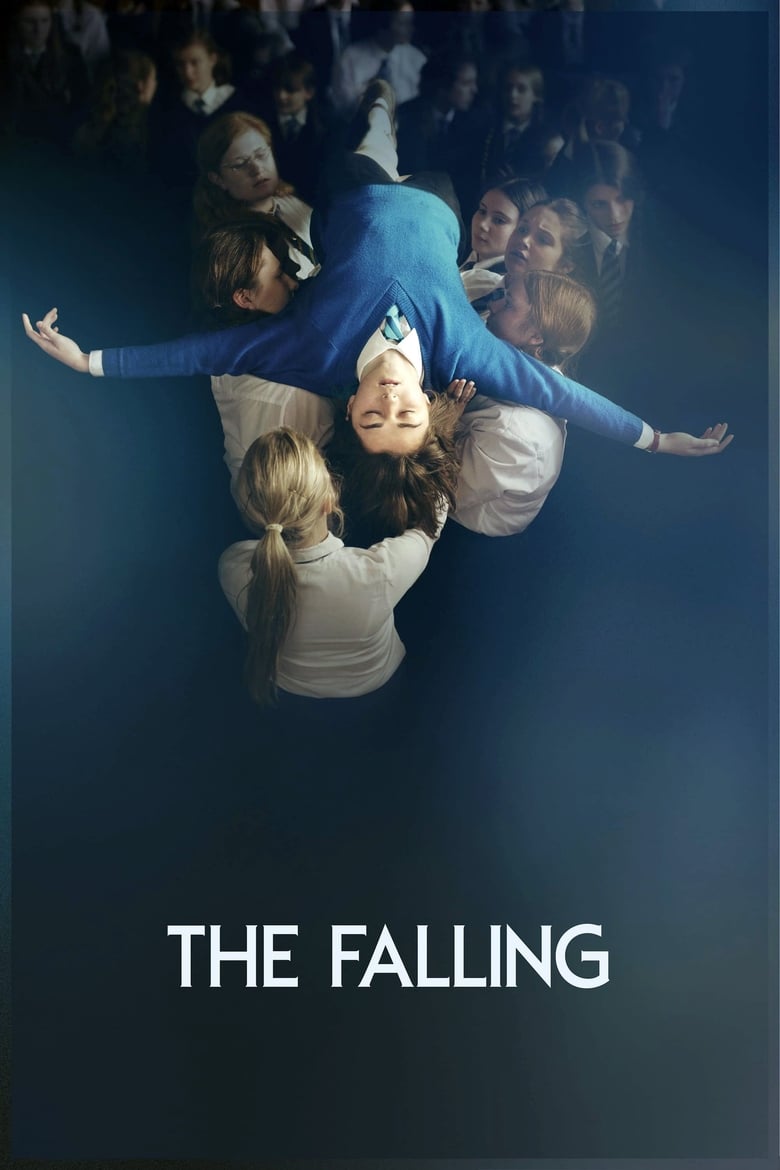
The Falling (2014) arrives with the coordinates of a film sur le passage à l'âge adulte film situated in 2010s cinema. The record credits Carol Morley with the direction and places Maisie Williams and Greta Scacchi in the foreground. With a contained running time, the useful question is not to invent an invisible intention, but to notice how these documented choices shape audience expectations before the first frame.
Read as cinematic narrative, the film carries the pressure of creation. Growing up appears less as a single threshold than as a series of renunciations, experiments, and borrowed stories before finding one's own measure. The most precise critical test is therefore the human cost of the creative act beyond its result. Character-driven stories are sometimes accused of lacking movement. That misses how the crucial decision can be internal, and how cinema has concrete ways to make the unspoken visible.
The counterpoint asks what the adult must unlearn, rather than only what the young character still needs to acquire. Instead of asking whether the film confirms the expected story of coming of age, the sharper question is whether it changes the person, place, or institution with the power to define it. The decisive angle is to read the distance between two bodies as a complete dramatic event.
THE VERDICT, REFRAMED
Our angle: small scale can enlarge exactly what cinema needs to show. Here, coming of age changes meaning under the pressure of creation.
THE DOCUMENTARY STARTING POINT